

Watch this video?
This film plays through an external player that uses third-party cookies. Accept to start the video.
No thanks — more info
🎬 Multilingual subtitles
✍️ By: Team BC1.NL
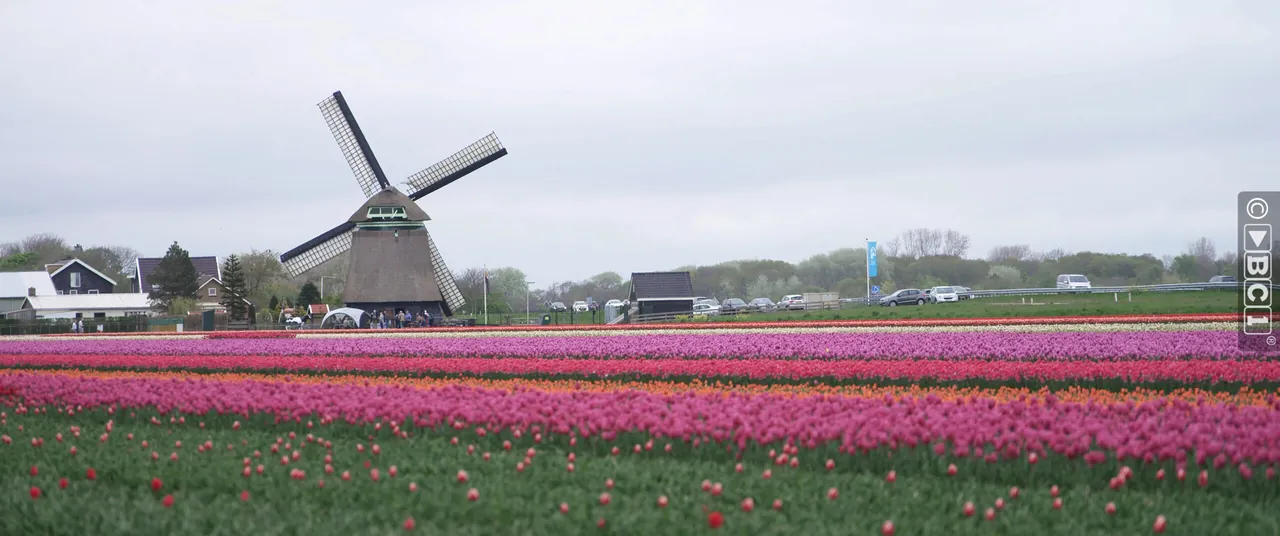
The largest contiguous flower bulb region in the world is located in the northern part of North Holland, in the Netherlands. This beautiful landscape, full of colorful flowers, is not only a treat for the eyes but also a breeding ground for innovations in sustainable cultivation.
Fieldlab Bol: The future of flower bulb cultivation
At Fieldlab Bol, bulb growers are working with various partners to develop new, sustainable cultivation systems. The goal? To cultivate flower bulbs that meet the highest quality and sustainability standards. Everyone, from growers to traders, is involved.
Challenges and innovations
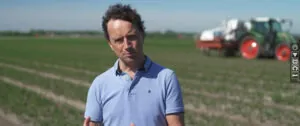 Research in the agricultural sector is dependent on the seasons. This means that every new method must be carefully tested within a limited time frame. Changing weather conditions, such as this year’s wet spring, make it even more challenging. Nevertheless, they persevere, because innovation requires flexibility and perseverance.
Inspiring prospects
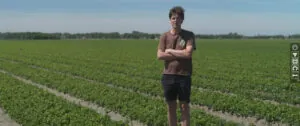
Participant Thijs van den Berg from Boltha expects that the next five years will bring more insights than the past fifty years. This demonstrates the determination and optimism within the sector.
Pioneers in action
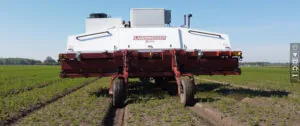 Impressive results have already been achieved. For instance, Boltha BV uses a Laser Weeder for mechanical weed control. This robust machine recognizes and destroys weeds with a laser beam, without the use of chemicals. This technique is already successfully applied in the United States, and now our bulb growers are discovering the benefits as well.
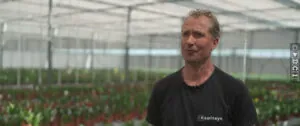 Additionally, companies like Kapiteyn Horticulture are working on breeding stronger crops, and cousins Mark and Joris Teeuwen have found a way to disinfect the soil without chemical agents.
Progress through collaboration
With every step they take, they come closer to fully sustainable flower bulb cultivation. Fieldlab Bol shows that collaboration and innovation are the keys to success.
More information about sustainability in agriculture
In the series Digital FarmingNHN, you will find information about the research conducted in Noord-Holland Noord. The series consists of four parts. In Part 1, the challenge we are introduced to a grower, an agricultural research center, and an agricultural consultancy. In Part 2, Data processing we see what data is collected and how it is processed. In Part 3, Applying site-specific techniques we take a closer look at the processing of collected data and meet the creator of the project. In Part 4, Achievements and Future prospects during Demo day the results are shared and the importance of further research are made clear.
Also interesting:
Sustainable transport with hydrogen