🎬 Multilingual subtitles
✍️ By: Team BC1.NL


Using fewer inputs by spraying only where needed
The third part of this series focuses on the spraying technology, which enables the application of products in a site-specific and plant-specific manner. Additionally, it becomes clear why it is important for farmers to adapt their practices.
Development of new spraying technology
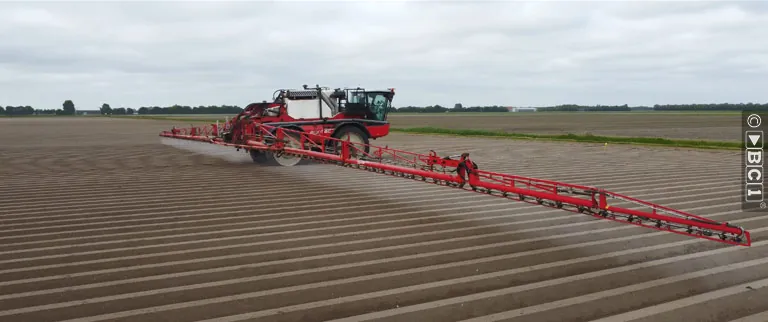
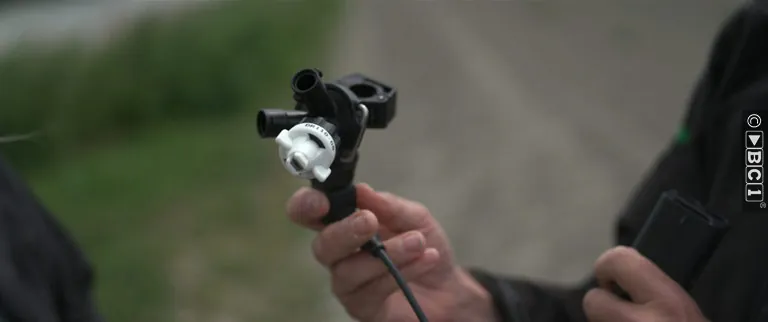 Within this project, a method was sought to apply the right pesticides in the right places. Achieving this required numerous tests. Currently, a system has been developed where information can be processed rapidly by using a fast computer, allowing the spray nozzles (valves) to open and close 100 times per second.
Data driven farming starts with diverse data sources
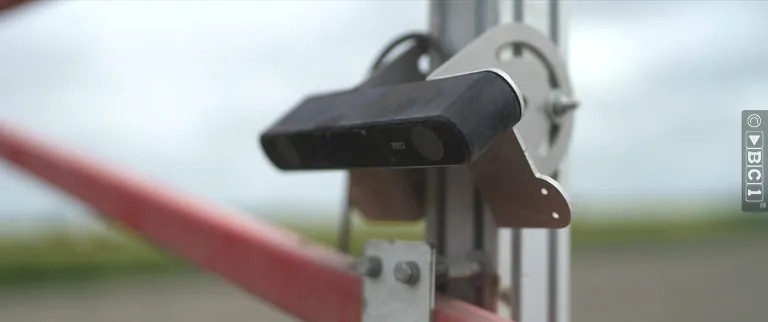 The information from various data sources is crucial for the use of this technology. This includes data from soil research, satellite images, photos, and more. For farmers, it is interesting that the information can be processed both in real-time and afterwards. “Because the farmer of the future will increasingly draw on various data sources to better understand and care for their crops,” says Peter Millenaar of BB Leap.
The goal is to grow a vigorous crop
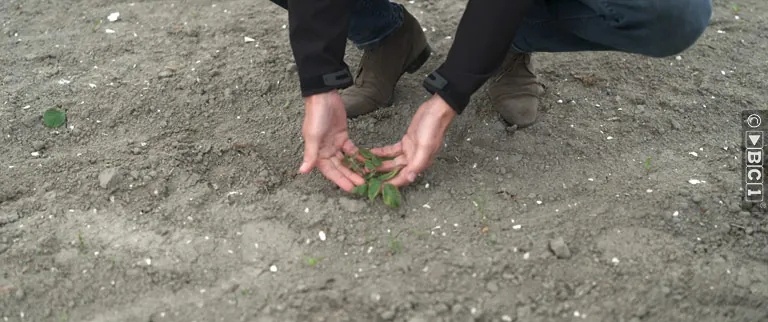
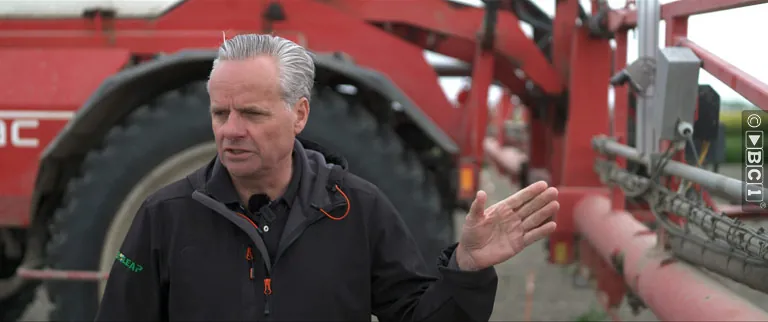 “The objective of the Digital Farming NHN project is to cultivate healthier crops,” explains Pim Sturm of contracting company Sturm Jacobs. This means not only reducing the use of chemical pesticides but also minimizing green pesticides and foliar fertilizers. With the help of this spraying technology, farmers can treat their crops more precisely, aiming to improve the health and vitality of the plants. Applying pesticides in a site-specific manner provides farmers with the opportunity to work more efficiently and sustainably, taking into account the conditions of different parts of their land and the specific needs of individual plants.
A series of practical insights and field experiences
 In this series, we delve deeper into the benefits of digital farming and how the innovative approach within the Digital Farming NHN project can assist farmers in optimizing their agricultural practices. In part 1 bulb grower Stef Ruiter of J.C.J. Ruiter Wever from Andijk, Sander Dekker from Agrotheek and Pieter Vlaar from Vertify tell about their experiences. In part 2 Eddie Loonstra of RH3S and Kristel van Ammers working at the Lectoraat Robotica Inholland University of Applied Sciences explain what is involved in creating soil maps and algorithms, respectively.
More information about sustainability in agriculture
 In the report The future of bulb growing, sustainable and innovative, participants of Fieldlab Bol explain how they are working on sustainable cultivation methods within this project.
If you want to stay informed, follow us on Linkedin.
Also interesting:
Digital Farming – part 4 achievements and future prospects
Digital Farming – part 2 data processing
Digital Farming – part 1 the challenge