🎬 Multilingual subtitles
✍️ By: Team BC1.NL


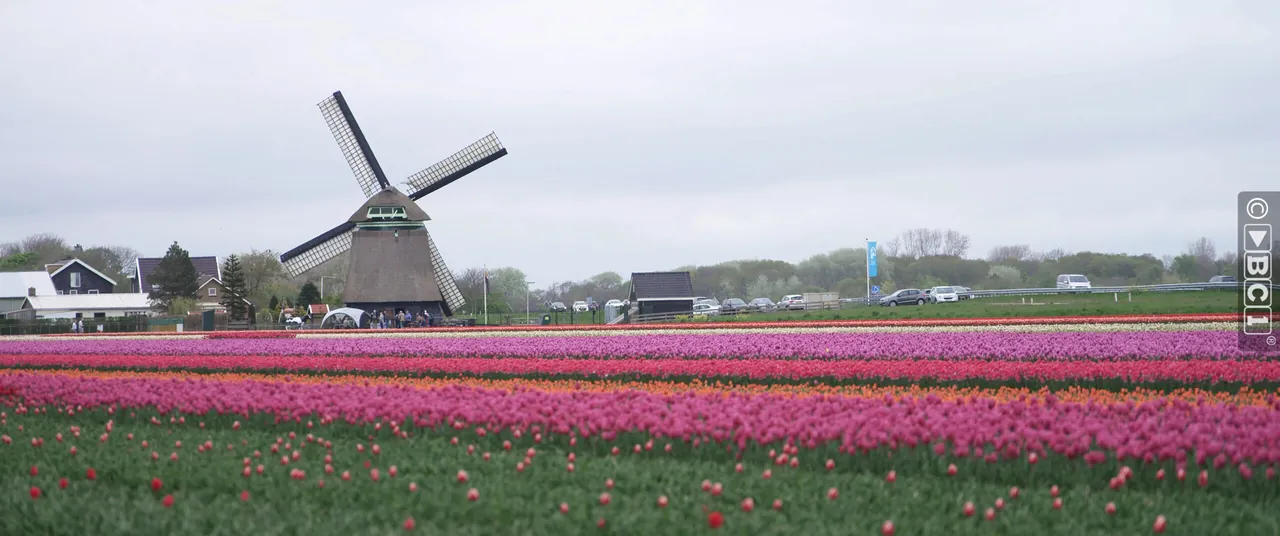
Pilot Sustainable cultivation of tulip & allied species
To make the transition from conventional flower bulb cultivation to sustainable cultivation, it is necessary to explore how growers can approach the challenges they may encounter differently. What alternatives are there for controlling certain diseases, and do the successful methods on a small scale also work on a large scale? This is being investigated in the “Pilot Sustainable Cultivation of Tulip & Allied Species.”
Fewer crop protection products, and still good quality
Both the Ministry of Agriculture, Nature, and Food Quality (LNV) and the Royal General Bulb Growers’ Association (KAVB) aim for flower bulb cultivation in which the use of chemicals is minimized as much as possible in the future. To continue to provide a high-quality end product, a controlled transition to sustainable or organic cultivation is required. 
Vertify tests The Green Tulip on a larger scale
For this reason, the agricultural research center Vertify, together with four practical companies, conducted research. They tested the best results from the “The Green Tulip” project on a larger scale. What are the outcomes when treating a larger plot with an alternative substance after a certain disease has been identified? Is this more sustainable method effective enough to maintain the crops? The growers work with biostimulants, among them a product of rock powder and minerals that feeds the soil and strengthens the plant, and a byproduct from the orange industry that makes the plant more resistant. Against tulip fire those products did as well as chemical agents in the first year. In a year with high disease pressure they were not enough on their own, so a safety net stays necessary. 
Four growers, on clay and sand, conventional and organic
To gain a comprehensive understanding, the participating practical companies are working on both clay and sandy soil. Additionally, two companies follow conventional methods, while the other two work organically. The participating companies are Apeldoorn Bloembollen from Egmond Binnen, Boon & Breg from Andijk, Huiberts Bloembollen from Sint Maartensbrug, and Schouten Tulips from Zwaagdijk. 
Changing cultivation systems
This research indicates that it is not possible to simply replace a substance with another sustainable alternative. A change in cultivation systems is necessary. However, such a system change requires more effort from a grower, making it crucial to gain experience and to share these experiences with other growers. Which enables the implementation of changes on a large scale. 
More information about sustainability in agriculture
In the report The future of bulb growing, sustainable and innovative, participants of Fieldlab Bol share their experiences within this project.
Also interesting:
Digital Farming, applying site-specific techniques