🎬 Multilingual subtitles
✍️ By: Team BC1.NL


Using CO2 as a raw material to grow microalgae
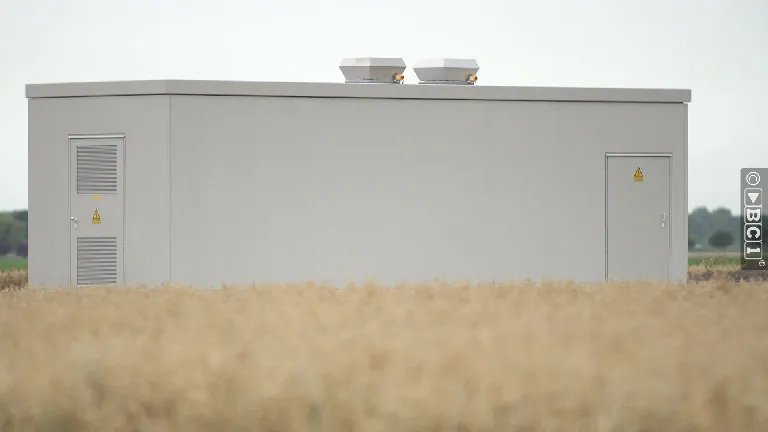
The horticulture sector in the Netherlands receives an impressive, circular boost thanks to the inspiring work of Sustenso from Alkmaar.  This forward-thinking company converts green waste streams into biogas, significantly reducing dependence on fossil fuels. What truly sets Sustenso apart is their innovative solution for the CO2 released during biogas production: it serves as nourishment for microorganisms, specifically, microalgae.
Eight years ago, Hans van der Weide, the founder of Sustenso, had a vision to produce biogas from green waste streams.  In collaboration with Prof. Dr. Joost Teixeira de Mattos and Willem Bas, they developed a system where excess CO2 is used for algae cultivation. This breakthrough directly connects the energy transition with a groundbreaking change in our food production system.
Enough biogas for a whole neighbourhood
 It all started with a meeting between Hans and Prof. Dr. Joost Teixeira de Mattos. Together, they brought the idea to life to use the excess CO2 from biogas production for algae cultivation. Willem Bas joined the team, and together they worked hard to realize a well-functioning biogas plant. Today, the produced biogas is directly pumped into the gas network, enough to supply a substantial residential area with gas.
From demonstration plant to factory
Sustenso’s algae cultivation is not just a side project.  With a unique demonstration installation, they have proven that a direct link between CO2 capture and algae cultivation is not only possible but also highly effective. The next step? A large-scale plant that makes optimal use of sunlight in a specially designed greenhouse. This forward-thinking approach promises a significant impact on sustainable food production.
What algae deliver and what happens to surplus CO2
 Algae are rich in essential nutrients such as proteins, fatty acids, antioxidants, and vitamins, and will eventually be processed into dietary supplements. Sustenso even has a solution for any excess CO2: it is liquefied and can be used as fertilizer in greenhouse horticulture, creating a fully circular system.
The biogas plant was sold to Engie
Sustenso continues to tirelessly pursue sustainable innovations. Their first project, the biogas plant, has now been sold to Engie, a leading energy company. This success story marks just the beginning of Sustenso’s impactful journey toward a sustainable future.
Through their pioneering work, Sustenso demonstrates how creative solutions and collaboration lead to significant strides forward in both the energy transition and food production. Their work is an inspiration to everyone committed to a more sustainable world.
Also interesting:
The future of bulb growing, sustainable and innovative
Sustainable transport with hydrogen